


Allergies, Shedding, and Well-being 🍁
Autumn brings temperature changes, increased humidity, and environmental allergens (dust mites, molds, late pollens). If your dog has sensitive skin, delicate digestion, or joint discomfort, this practical guide helps you prepare with simple routines, clean ingredients, and conscious decisions. At The Doog Life, we formulate with veterinarians and certify our cosmetics with Bio-inspecta / BioVidaSana Standard so you know exactly what you're using and why.
Autumn Allergies: Signs and First Steps 🌿
During this season, dust mites and humidity increase. Many dogs show mild itching, paw licking, recurrent ear infections, or watery eyes. Before considering products, define a basic plan:
- observe: intensity of itching (mild vs. intense), location (paws, groin, ears), and if there is a bad odor or otitis.
- record: bathing frequency, dietary changes, wet walking areas.
- act safely: gentle hygiene and skin barrier first; if there are wounds, pain or worsening, veterinarian.
Skin and Shedding: Skin Barrier and Bathing Routine 🧴
Well-hydrated skin tolerates allergens better. Avoid harsh sulfates and synthetic fragrances; prioritize aloe, mallow, oats and vegetable oils in appropriate concentrations. Our experience (Alba with Claire: ichthyosis + sensitive skin) taught us that consistency, not a "beauty routine," makes the difference.

Minimalist Autumn Routine
- respectful bathing every 2–4 weeks depending on coat and activity. A mild shampoo helps remove allergens without breaking the skin barrier.
- leave-in conditioner between baths to hydrate, detangle and neutralize odors without drying.
- exposed areas: if there is a dry nose or cracked pads due to rain/asphalt, use an unscented balm.
Professional tip: brush before bathing and rinse with lukewarm (not hot) water. Dry folded areas and the interdigital space well to reduce maceration.
Joints and Cold: Smart Movement 🦴
With the drop in temperature, morning stiffness or reluctance to jump are common, especially in older dogs or large breeds. Practical recommendations:
- brief warm-up: 5–10 minute walk before playing.
- surfaces: avoid very slippery floors at home; use carpets or runners.
- rest: padded and dry beds, away from cold drafts.
Joint supplements can be useful adjuvants when combined with moderate exercise and weight control. Evidence in dogs supports the role of omega-3s and matrices rich in glycosaminoglycans as part of a multimodal plan. Always consult your veterinarian in diagnosed cases.
Digestive and Defenses: Supporting the Microbiota 🦠
The "autumn effect" often coincides with changes in routine (schedules, walks in the rain) and small dietary transitions. A well-formulated digestive supplement (probiotics + prebiotics + enzymes + botanical functional ingredients) helps maintain firm stools and a balanced immune response.

Mild Warning Signs
- occasional softer stools after food changes or new treats.
- gas and bowel sounds without pain.
- mild stress due to routine changes or short trips.
In these scenarios, a short course of digestive support can be helpful. If there is persistent diarrhea, vomiting, blood in stools, or lethargy, see your veterinarian.
Walk and Home: Practical and Safe Hygiene 🚿
More rain and mud mean more cleaning, but without damaging the skin. Prioritize gentle and reusable products to reduce waste.
Eyes and ears without irritation 👀👂
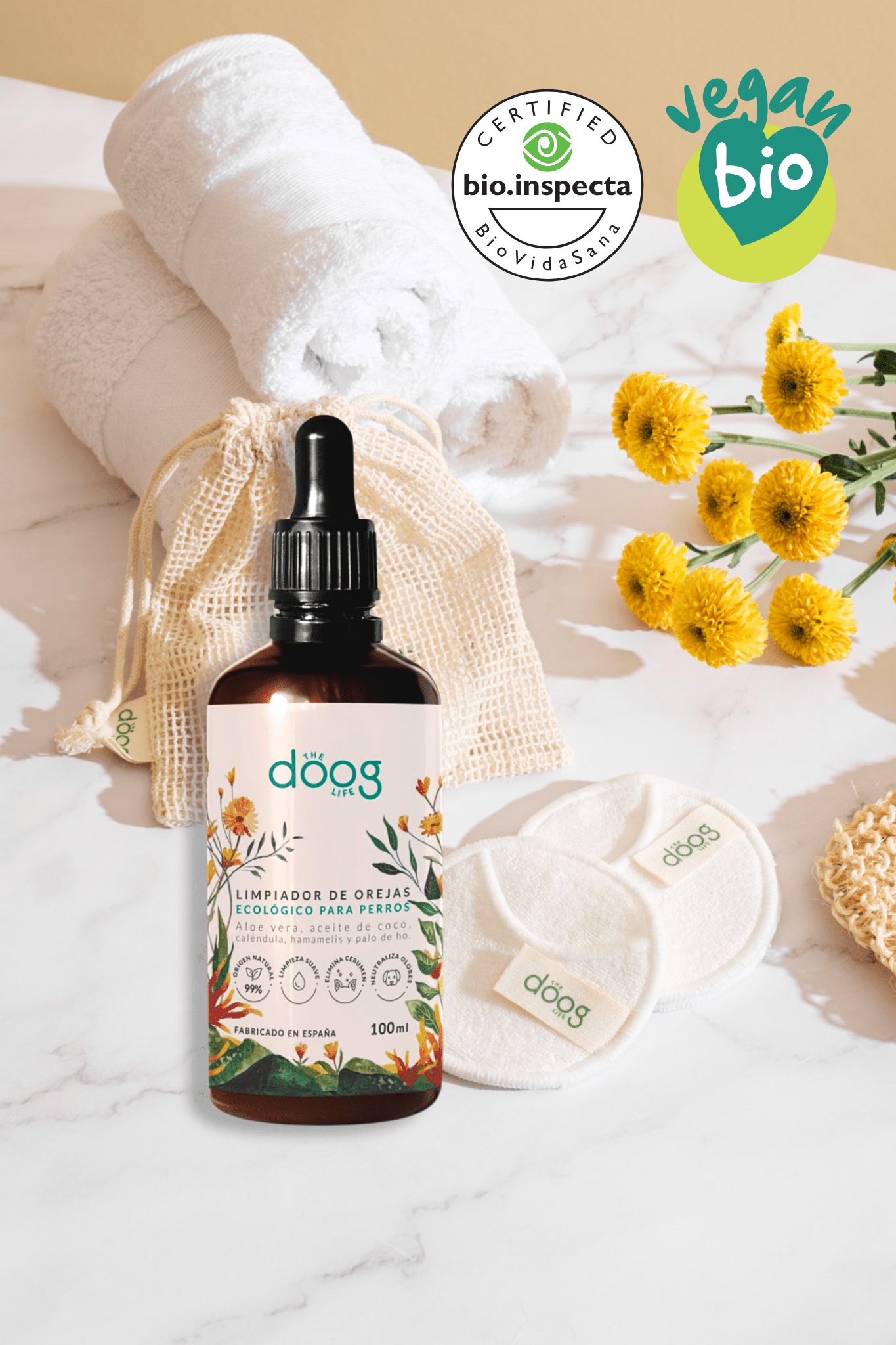
Clean tear stains and folds with unscented lotions and washable wipes or pads. For ears, apply the lotion to a wipe (do not insert cotton swabs into the ear canal). If there is a bad odor, pain, or discharge, consult.
Natural repellency during insect season 🦟
Early autumn can still have mosquitoes and areas with ticks. A well-formulated repellent mist is an adjuvant to pipettes/collars. Apply before walking and reapply if it gets wet. Furthermore, these warm autumns do not help.
responsible note: does not replace prescribed antiparasitics; avoid eyes and mucous membranes; discontinue if irritation occurs.
Paws, nose, and wet asphalt 🐾
Humidity softens pads and promotes cracks. An unscented balm after walks helps maintain the barrier.
Functional Snacks: Rewarding Without Neglecting Skin 🐟
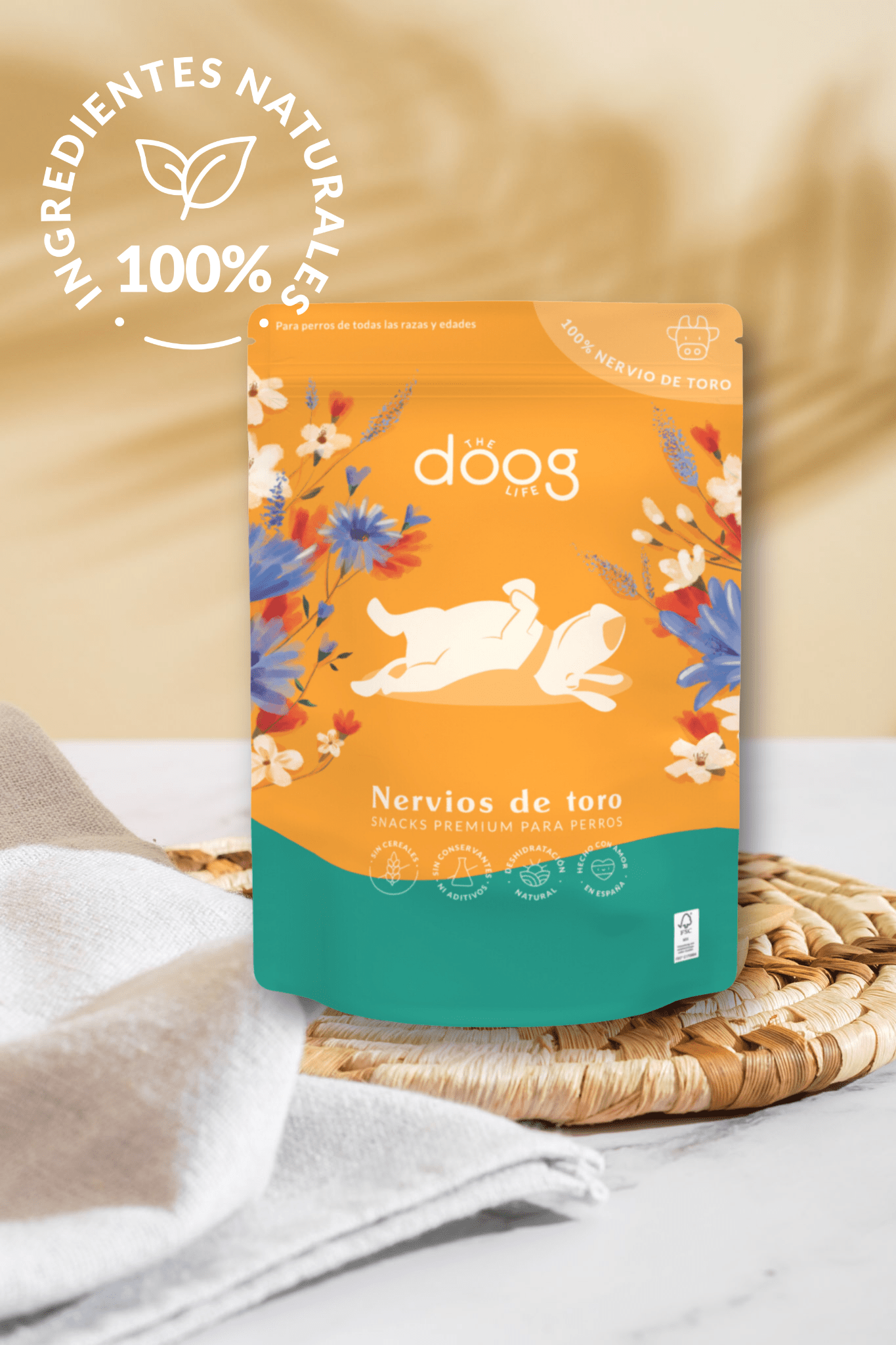
To reinforce adherence to routines, use clean and nutrient-rich treats. Dehydrated anchovies provide omega; bull pizzle helps controlled chewing. Adjust quantity to daily calories.
Frequently Asked Questions ❓
How often should I bathe my dog in autumn?
It depends on the coat and exposure to mud/mites. As a guide, every 2–4 weeks with a gentle sulfate-free shampoo and a rinse-free between baths. If there is dermatitis or otitis, follow the vet's plan.
How do I know if the itching is “from allergies” or something else?
Mild, localized itching (paws, groin) without wounds usually improves with hygiene and skin barrier care. If there are wounds, bad odor, discharge or worsening over days, consult a vet. Document with photos for the clinical examination.
Which supplement should I prioritize in autumn?
If there are occasional loose stools or routine changes, prioritize the digestive supplement. For shine and barrier, the skin and coat supplement. Supplements are adjuncts; they do not replace diagnosis or treatment.
Start today with a simple autumn routine 🍂
natural shampoo · 3-in-1 mist · probiotic digestive supplement · skin and coat supplement
Responsible disclaimer: this content is informative and does not replace individualized veterinary advice. For persistent symptoms or pain, consult your veterinarian.
